AI is rewriting the tasks inside every job — Opportunity@Work

AI is redefining the tasks inside every job, and erasing the rungs workers climb

Many of the pathways that workers rely on to build skills — and employers rely on to develop their workforce — are at risk of evaporating.

Our updated Reach for the STARs report shows the critical importance of on-the-job skill building in qualifying workers for their next job, and our practical playbooks point the way toward a healthy AI transformation.
Scroll for more ↓
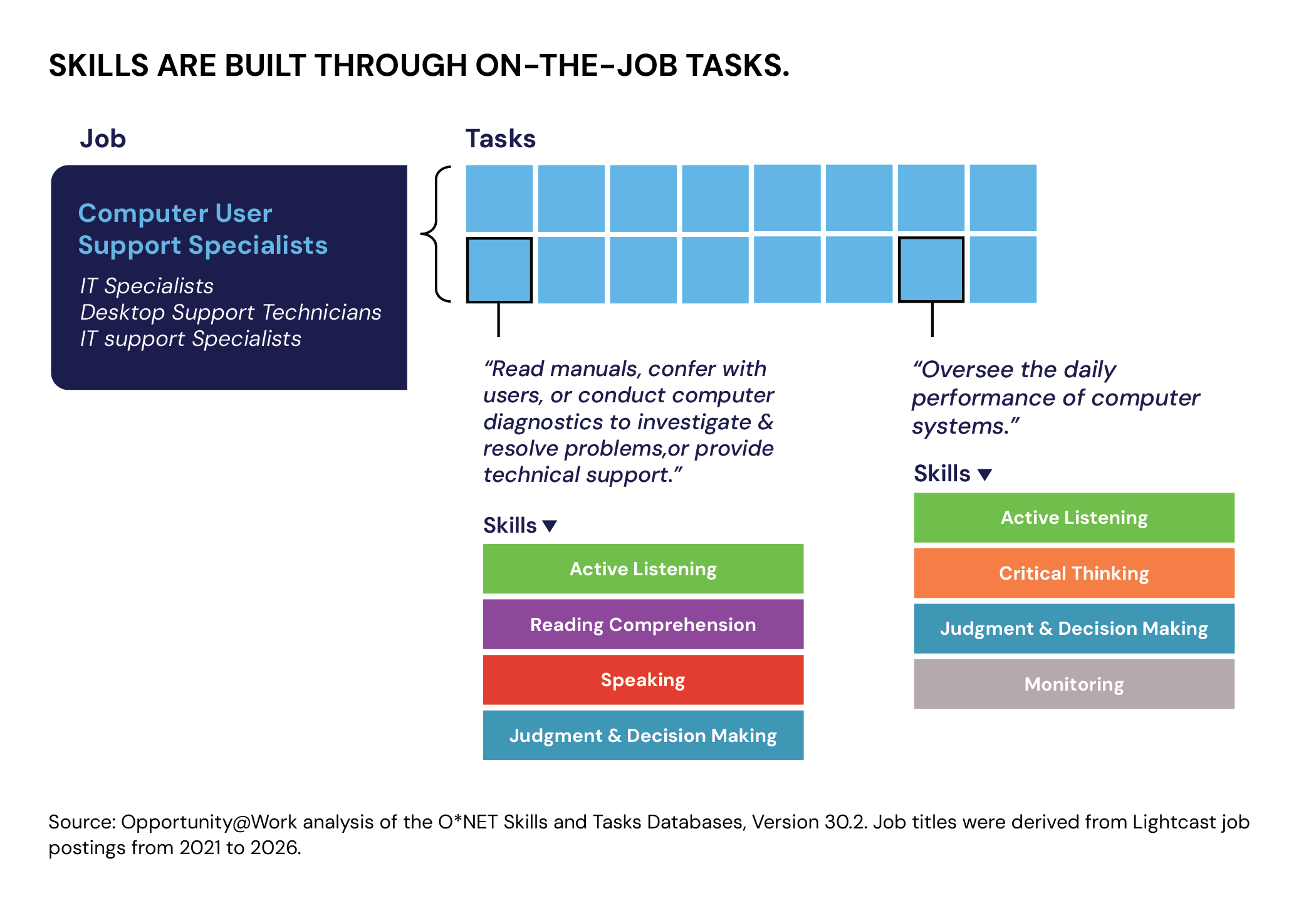
Diagram: skills are built through on-the-job tasks. A Computer User Support Specialist job breaks into individual tasks; each task maps to skills such as active listening, reading comprehension, speaking, critical thinking, and judgment and decision making.

In 2026 we've driven the narrative around AI and skills.

As it became clear that artificial intelligence was poised to disrupt the labor market, Opportunity@Work and our partners set out to analyze the possible impact, communicate our findings to the public, and turn those findings into practical solutions for the field.

  1. April
    Raising the alarm that AI will disrupt entire job pathways
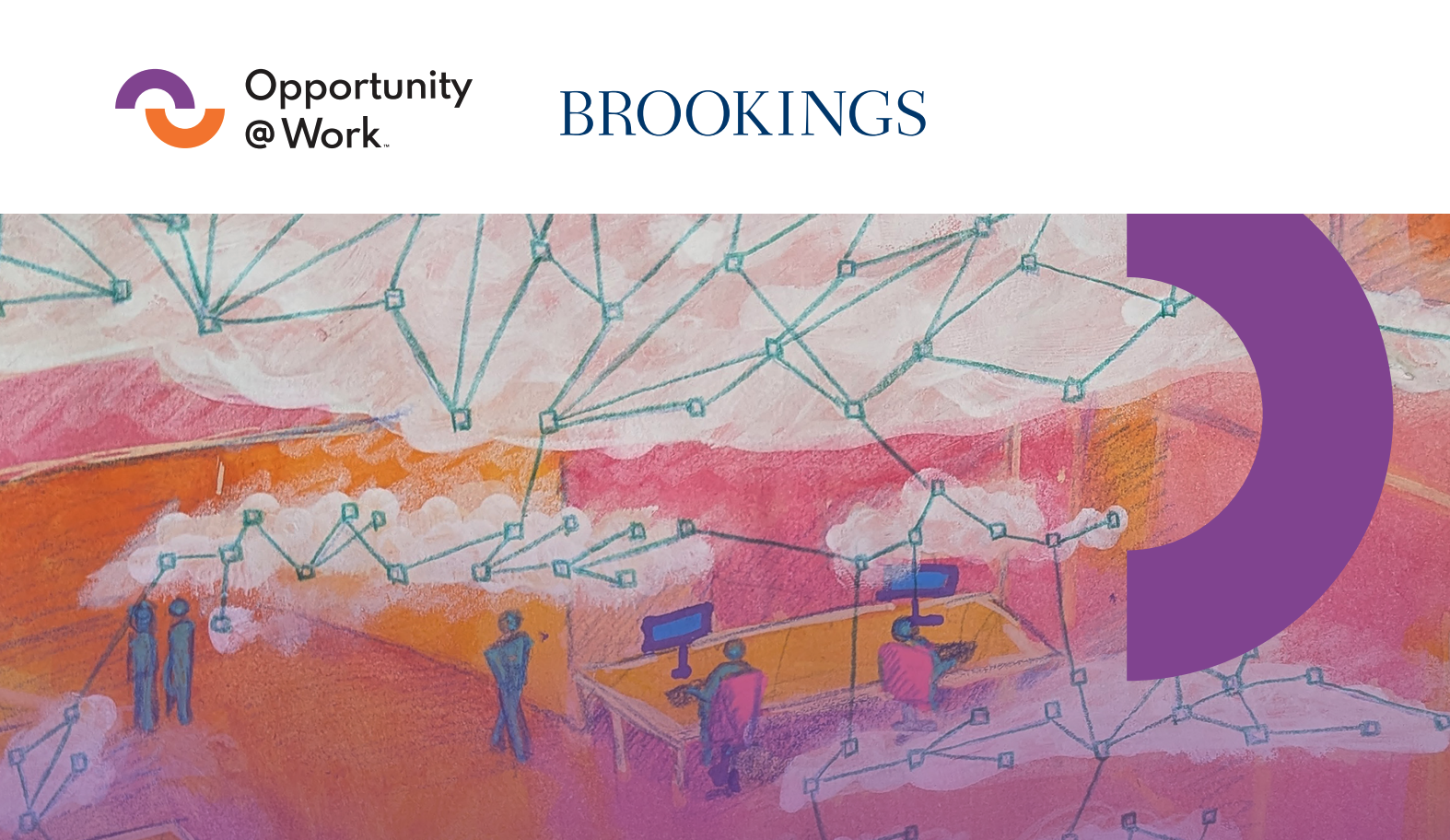
    Illustration of networked workers and job pathways from the Brookings × Opportunity@Work brief

    ADVANCING STAR MOBILITY IN THE AI ECONOMY

    New research done in partnership with the Brookings Institution finds that AI is not just reshaping jobs — it's reshaping entire career pathways. It shows that AI exposure varies widely across metro areas, making place-based solutions imperative.

    Read the brief
  2. June
    Proving that skills-first hiring works when applied intentionally
    Illustration from the State of the Paper Ceiling 2026 report cover

    State of the Paper Ceiling 2026

    Our flagship annual report quantifies the positive outcomes when leaders across employers, policymakers, and talent technology deliberately change the design of our labor market infrastructure to include skills-first practices.

    Read the report
  3. July
    Helping regions develop AI-ready strategies through peer learning
    AI Readiness Lab — Opportunity@Work and Brookings

    AI READINESS LAB

    In partnership with the Brookings Institution, we launched AIRLab: a six-month cohort with six regional economic development organizations working together to shape the outcomes of AI-augmented career pathways based on the unique dynamics of their local labor markets.

    Explore AIRLab
  4. July
    Calling on lawmakers to prevent AI from hollowing out jobs
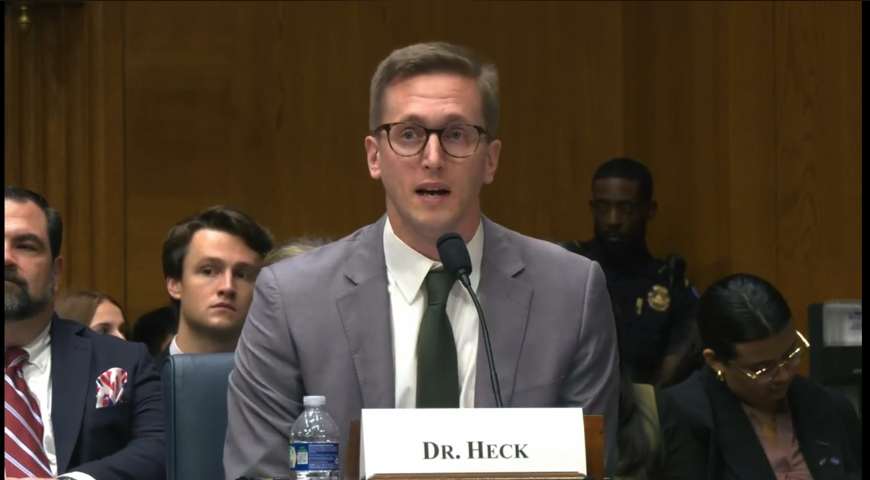
    Justin Heck testifying before the U.S. Senate HELP Subcommittee

    Senate testimony

    Opportunity@Work's Head of Research, Justin Heck, testified before the U.S. Senate HELP Subcommittee on AI and the Workforce, explaining how policy choices can determine whether AI narrows job pathways or strengthens them.

    Watch the testimony
  5. September Just launched
    Uncovering how AI changes the building blocks of every job
    Collage of workers at their jobs from the Reach for the STARs 2026 report

    Reach for the STARs 2026

    An update to our landmark 2020 report digs one level deeper, explaining how AI augmentation and automation change how we build skills through each of the tasks that make up a job — and how they disrupt skills-based job transitions workers and employers rely on.

    Explore the report

The public sector has a chance to lead. Here's how.

This November, voters in 36 states elect governors. These new administrations inherit a choice: keep filtering out qualified talent, or build a system that actually expands job mobility for workers.

See the exact moves states are making to modernize hiring before AI locks in the old rules. Built on what's working in 33 states already leading the way.

  • Model executive orders
  • Ready-to-adapt legislation
  • Custom tracks for executives and legislators
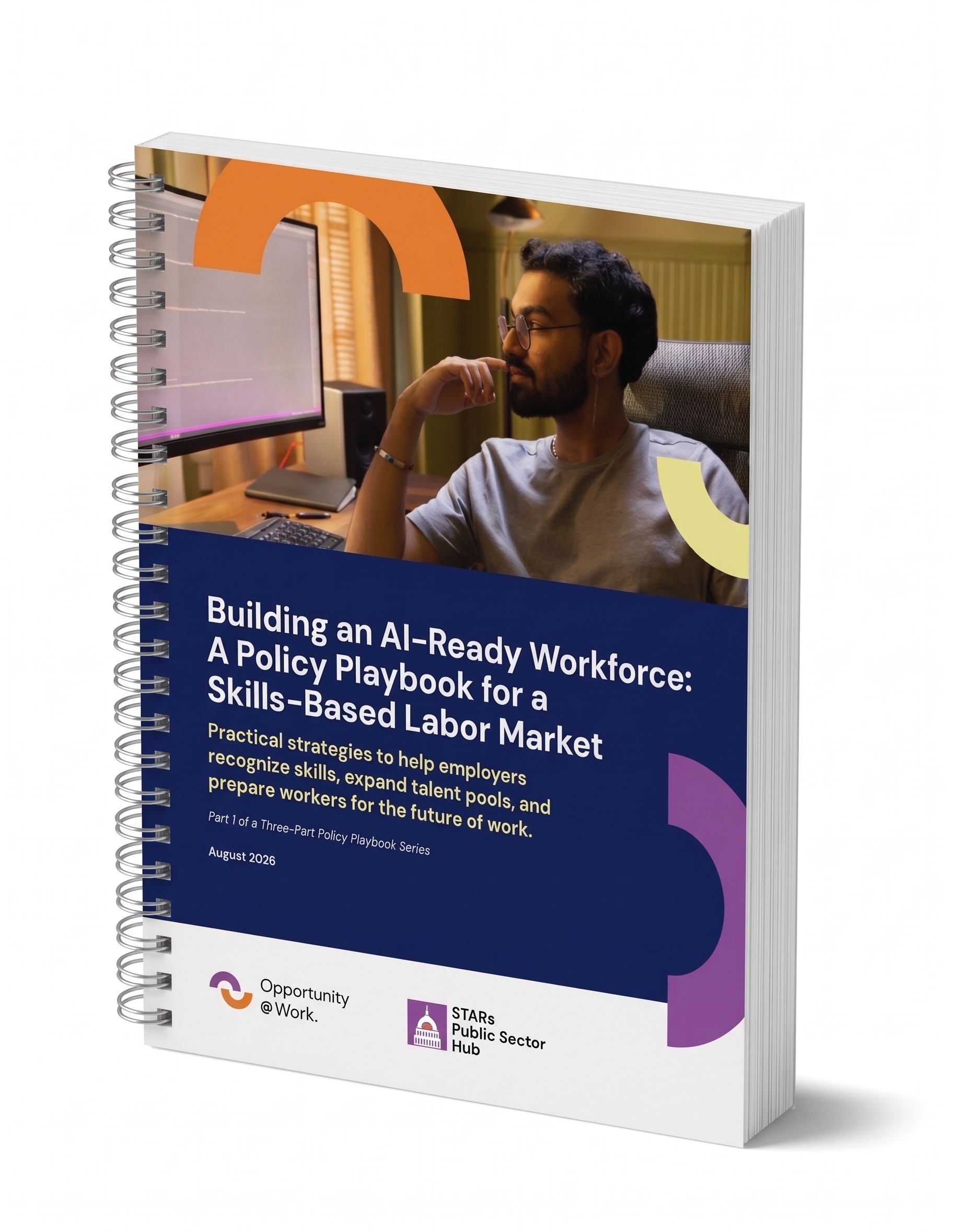
Building an AI-Ready Workforce: A Policy Playbook for a Skills-Based Labor Market — Part 1 of a three-part series, August 2026
A free digital resource from Opportunity@Work
Get the Playbook

Interested in deeper engagement on AI and skills-based practices? Join our STARs Public Sector Hub

Everyone can take action toward a healthy AI transformation that strengthens skills-first pathways.

Private sector & employers

Hire for skills, starting with one role

Change a job description, a screen, and an interview loop — with the skills data to back it up and a coalition of peers already doing it.

HR & job technology

Build skills recognition into the tools

Matching, screening, and sourcing products decide who gets seen. Wire skills-first signals into the systems employers already run.

Funders & media

Scale our skills-first future

The evidence base shows that skills-first practices work. The next step is to scale the policies, the technology, and the narrative across the country.

FAQs

Who is a STAR?

A STAR is a worker Skilled Through Alternative Routes — someone who built their skills through community college, military service, apprenticeship, certificate programs, bootcamps, or on-the-job learning rather than a bachelor's degree.

How many STARs are there in the U.S. in 2026?

There are over 75 million STARs in the U.S., comprising half of our workforce. Opportunity@Work's Reach for the STARs report explores the makeup of the STARs population.

How is AI affecting career pathways for workers without a bachelor's degree?

AI changes which tasks make up a job. When it absorbs the tasks inside gateway jobs — the roles STARs use to move from lower- to higher-wage work — the pathway narrows and it becomes harder to move up.

What is the Policy Playbook, and who is it for?

Building an AI-Ready Workforce: A Policy Playbook for a Skills-Based Labor Market is for state and local policymakers — both executives and legislators — and their staff. It includes 7 policy levers across 3 policy areas, state case studies, and an archetype-to-lever guide that points you to the levers that fit your role.